
Consumer electronics have roughly a two-year replacement cycle. A tariff on a smartphone chipset affects one generation of product and the next design cycle can source around it.
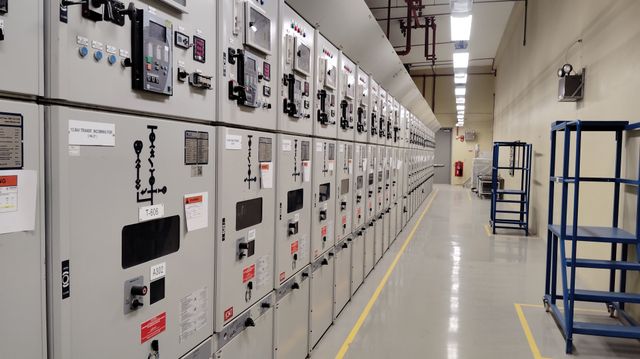
Industrial electronics operate on a fundamentally different timeline. A programmable logic controller installed in a factory automation line today will require spare parts, replacement boards, and retrofit kits through 2040 or 2045. Every replacement unit entering the country carries the same tariff rate as the original.
The question is whether anyone in the organization is modeling the cumulative cost.
Design-in decisions lock in decades of duty exposure
When an engineering team selects a VFD, PLC, or industrial power supply for a new platform, the sourcing decision echoes for 15 to 25 years of aftermarket support. The initial purchase might involve 200 units at $350 each. A 25% Section 301 tariff on a Chinese-origin controller adds $87.50 per unit to $17,500 on the initial buy. All of this is transparent, budgeted, and absorbed.
The aftermarket tells a different story.
Over a 20-year lifecycle, field service programs for industrial equipment typically consume three to five times the original unit volume in spare parts, warranty replacements, and retrofit kits. Those same 200 installed in the field controllers generate demand for 600 to 1,000 replacement units over two decades.
At $87.50 per unit in tariff costs, the cumulative duty exposure on spares alone reaches $52,500 to $87,500 – on a single SKU. Multiply across a BOM with dozens of tariff-exposed line items and the lifecycle duty cost dwarfs the original purchase impact.
Sourcing spare parts rarely gets tariff review
We routinely see a disconnect between how companies evaluate tariff exposure on new product introductions versus how they manage it on aftermarket parts.
NPI sourcing decisions go through engineering review, supplier qualification, and procurement cost modeling. Tariff rates are at least considered, even if not always correctly applied.
Spare parts flow through a different channel. They are reordered against existing part numbers, often by maintenance teams or aftermarket ops groups with no visibility into trade policy changes.
A replacement industrial power supply classified under HTS 8504 and sourced from the same Chinese supplier used in the original design carries the same 25% Section 301 duty rate the original did. But if the tariff rate changed between design-in and the spare order through exclusion expirations, list modifications, or new trade actions, the actual rate may differ from what the original cost model assumed.
Nobody rechecks.
The part number is the same, the supplier is the same, and most would even assume the landed cost has not changed.
Retrofit programs amplify exposure
Industrial electronics face periodic obsolescence cycles even within long-lived platforms. A PLC manufacturer discontinues a processor module after 10 years, and every installed base using it needs a retrofit board or a migration kit.
These retrofit components are often more expensive than the originals, carry the same or similar HTS classifications, and ship in volumes matching the installed base.
If the original sourcing decision placed the design on a Chinese-origin platform, every retrofit event inherits the tariff exposure.
The compounding effect is significant. A $200 replacement module purchased 40 times across a 20-year service program generates $2,000 in cumulative duties on a single line item at a 25% rate.
An industrial facility running 50 of these modules faces $100,000 in lifecycle tariff costs on one component family. These costs were invisible in the initial procurement decisions because nobody projected the aftermarket.
Design-in rate verification prevents decades overpayment
For consumer electronics, tariff exposure is a quarterly problem. For industrial electronics, it is a generational one.
The sourcing decisions made during platform design-in determine tariff costs flowing through aftermarket budgets for 15 to 25 years.
Knowing the exact duty rate per HTS code at the point of design selection and not after the first shipment clears customs gives engineering and procurement teams data to make origin-aware sourcing decisions before decades of aftermarket spend are locked in.
An *industrial electronics HTS code tariff analysis* returns current duty rates, Section 301 and 232 status, and country-of-origin comparisons for every classification in a platform BOM. Running the analysis at design-in, not at first shipment, is the difference between managing lifecycle tariff costs and discovering them.


